Wash clothes less often without losing freshness
Wash clothes less often without losing freshness: practical checks for everyday wardrobe decisions.
- Published:
- Get Real Clothes Editors
- Wardrobe practice
- 3 min read
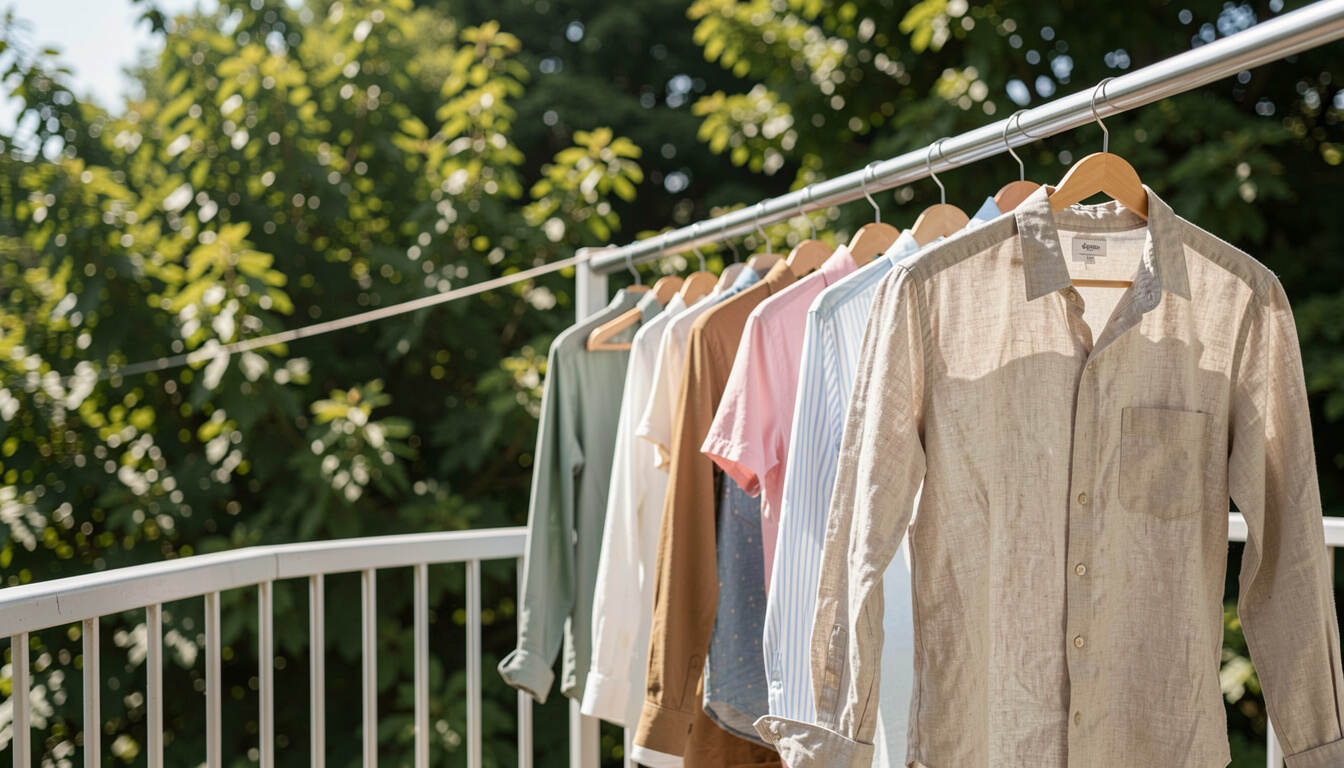
Washing less often works when inspection becomes a habit. Air, brush, spot clean, and wash in that order when the garment allows it; change the order when sweat, allergens, or a care label makes a full wash the sensible choice. When the difficulty sits with the body rather than the garment (zweten onder de oksels is the plain Dutch name for it), treat that on its own terms, because no laundry routine will settle it for you.
Prepare before you start
Give the decision a small brief before reaching for a product, a wash cycle, or a new outfit. Write down the situation, the comfort requirement, and the part that is genuinely uncertain. A short note keeps a confident label from doing more work than the evidence allows.
Step by step method
- Air the garment fully before deciding that it needs a wash. Moisture, smoke, and food marks need different responses.
- Treat a small mark early with the gentlest method that fits the fibre and dye. Avoid turning one spot into a whole-garment experiment.
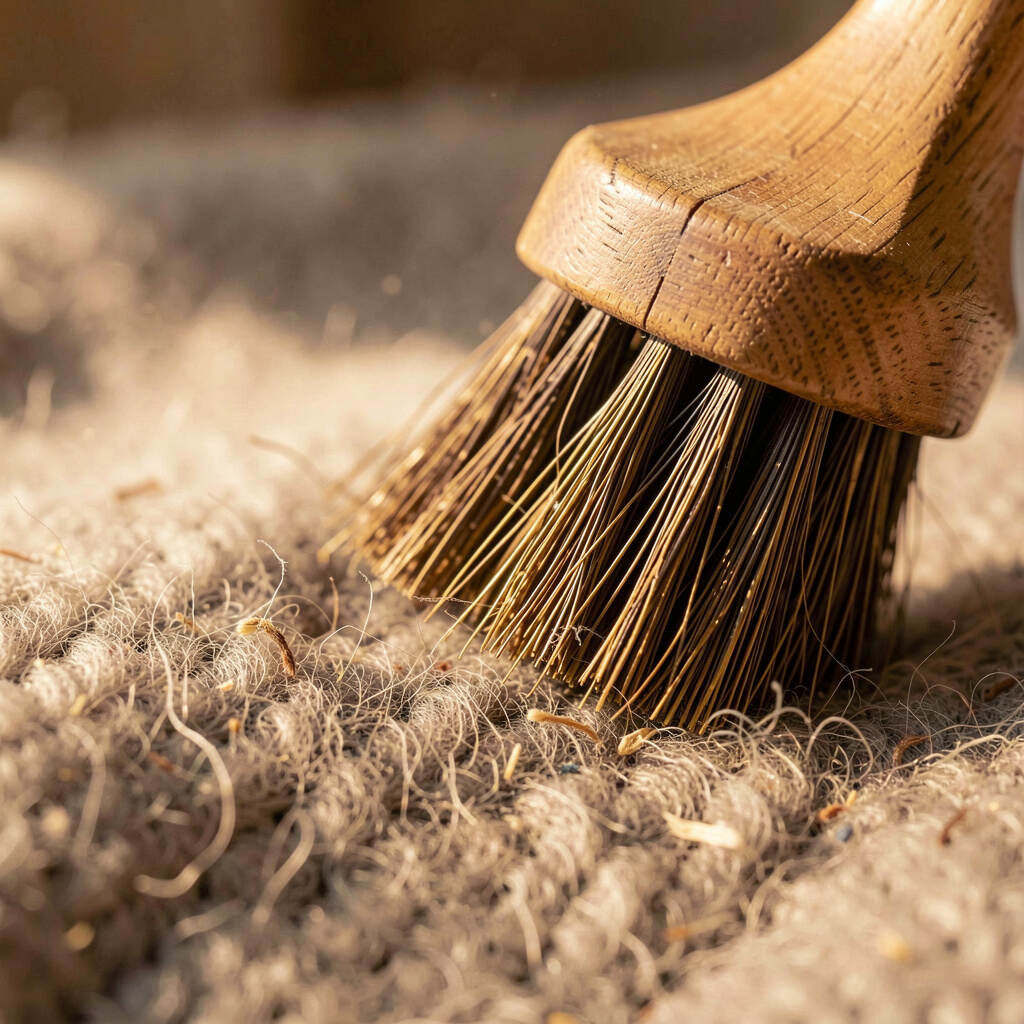
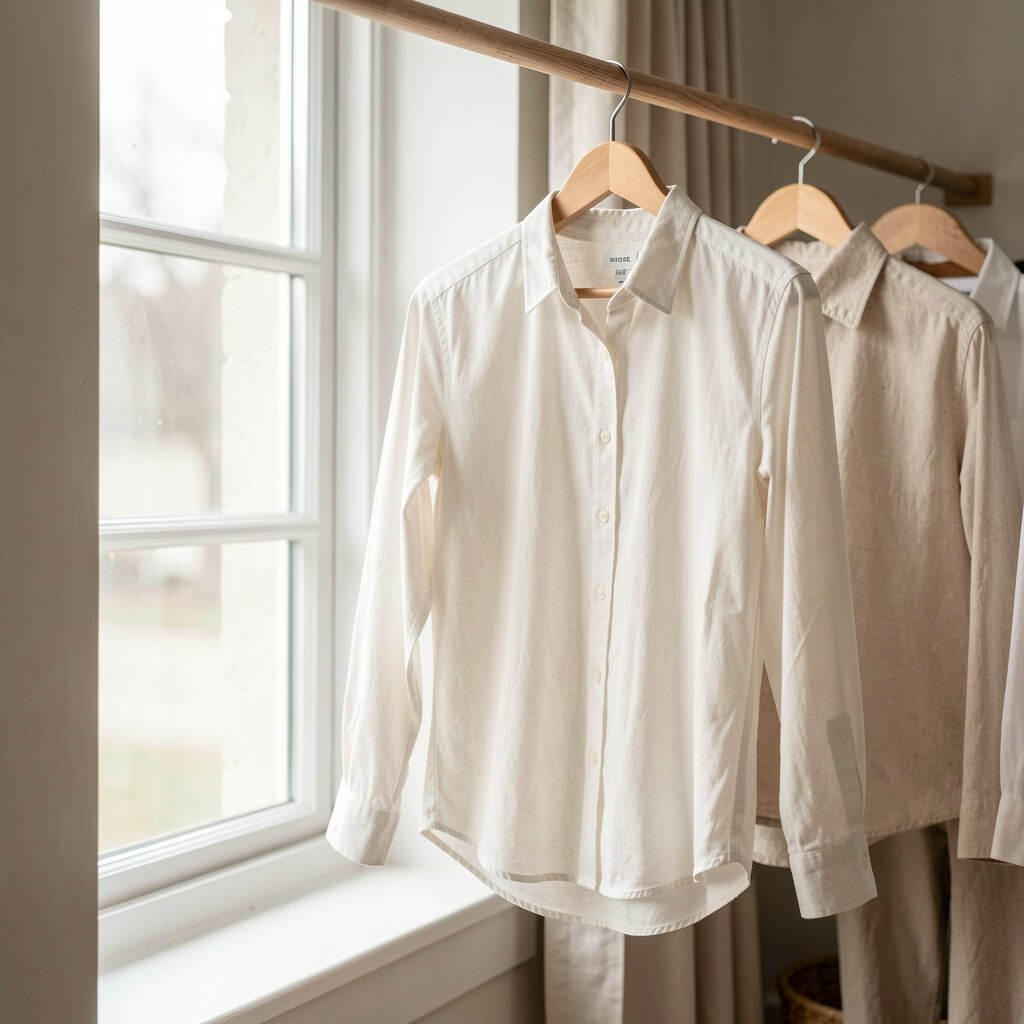
- Use a fabric brush or shake-out routine for surface dust and loose fibres, then store the piece where air can circulate.
- When washing is needed, follow the care label and dry the garment completely before putting it away.
Judge the result honestly
Keep the option that works under ordinary conditions, not only in the ideal version of the plan. Ask whether it is comfortable, repeatable, repairable, and easy to explain to another person. If the answer is no, reduce the ambition and test the smaller choice first.
Observe the garment, make one clear change, and leave a note for the next decision.
Common mistakes
- Using a broad label as if it answered every practical question.
- Optimising for a rare occasion while ignoring the weekly routine.
- Changing several variables at once and losing the useful comparison.
- Keeping a solution that looks neat but is uncomfortable to repeat.
Continue with a related guide
By Get Real Clothes Editors · Topic: Wardrobe practice