Mend a favourite jumper with visible darning
Mend a favourite jumper with visible darning: practical checks for everyday wardrobe decisions.
- Published:
- Get Real Clothes Editors
- Wardrobe practice
- 3 min read
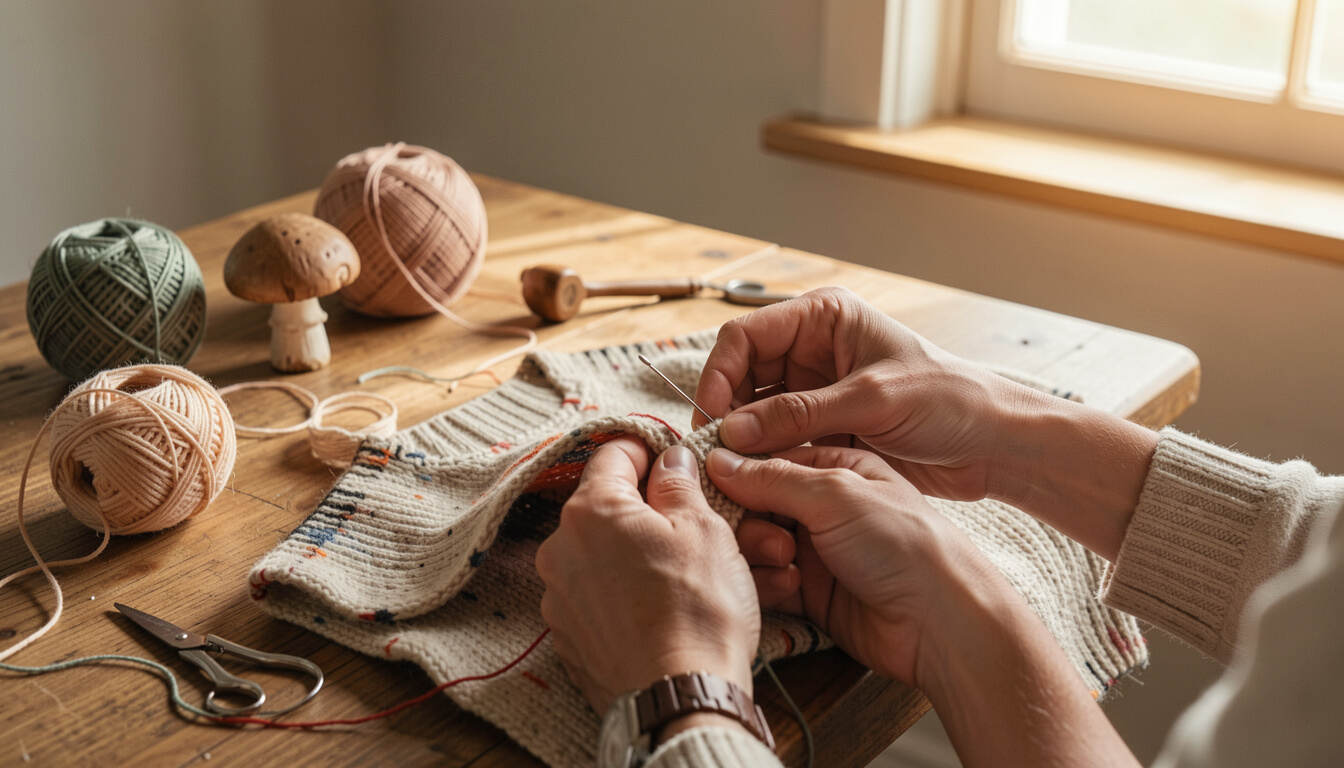
Visible darning is a practical repair and a design decision at the same time. The aim is not to erase every sign of wear, but to stabilise the knit without creating a new hard or uncomfortable spot.
Prepare before you start
Give the decision a small brief before reaching for a product, a wash cycle, or a new outfit. Write down the situation, the comfort requirement, and the part that is genuinely uncertain. A short note keeps a confident label from doing more work than the evidence allows.
Step by step method
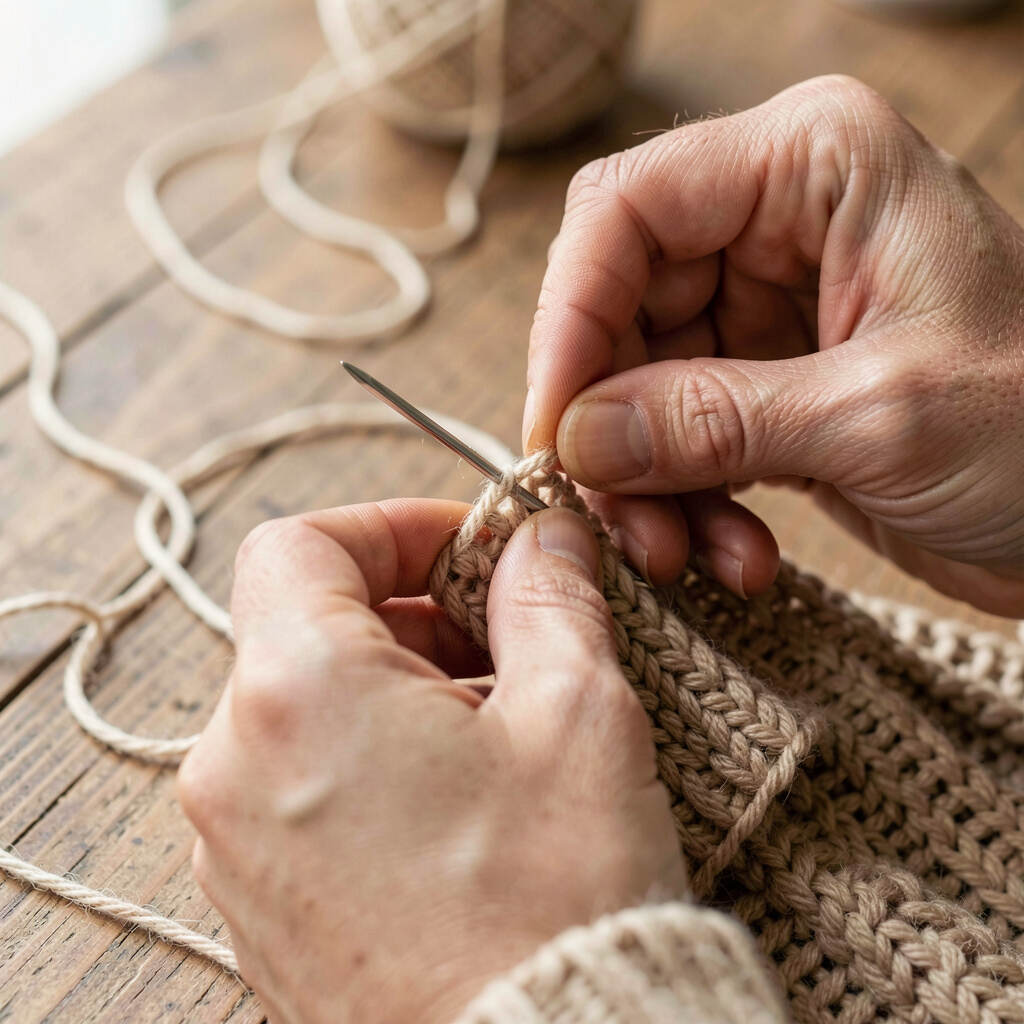
- Clean and dry the knit, then support the area from underneath so the opening does not stretch while you work.
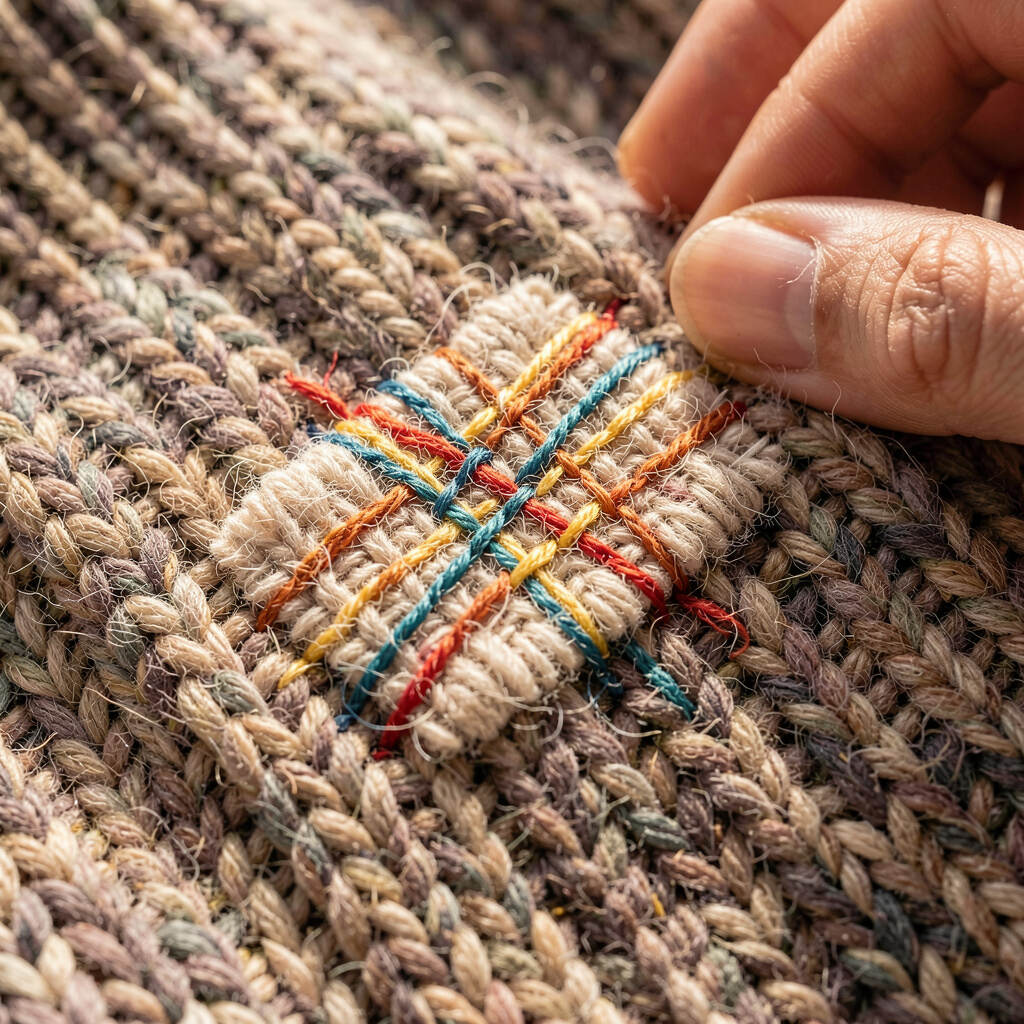
- Choose yarn with a compatible weight and decide whether the repair should blend in or remain visibly part of the garment.
- Work across the weak area with even tension, then anchor beyond the opening so the load is shared.
- Turn the jumper inside out and inspect the repair after a gentle movement test. A tidy repair that changes the drape may need loosening.
Judge the result honestly
Keep the option that works under ordinary conditions, not only in the ideal version of the plan. Ask whether it is comfortable, repeatable, repairable, and easy to explain to another person. If the answer is no, reduce the ambition and test the smaller choice first.
Observe the garment, make one clear change, and leave a note for the next decision.
Common mistakes
- Using a broad label as if it answered every practical question.
- Optimising for a rare occasion while ignoring the weekly routine.
- Changing several variables at once and losing the useful comparison.
- Keeping a solution that looks neat but is uncomfortable to repeat.
Repair extends a garment’s life; when a piece finally leaves, the clean exit for textiles and electronics keeps it out of the skip.
Continue with a related guide
- Wash clothes less often without losing freshness
- Build a personal uniform that reduces daily decisions
By Get Real Clothes Editors · Topic: Wardrobe practice
Elsewhere on the web
- Fauve & Blanc: the fawn-and-white pairing that names a dog's coat, and a reminder that colour vocabulary is older than any yarn chart.
- Understand organic cotton versus conventional cotton: because the fibre you darn with decides how the repair ages.